Why Timor-Leste
Beaches without the crowds
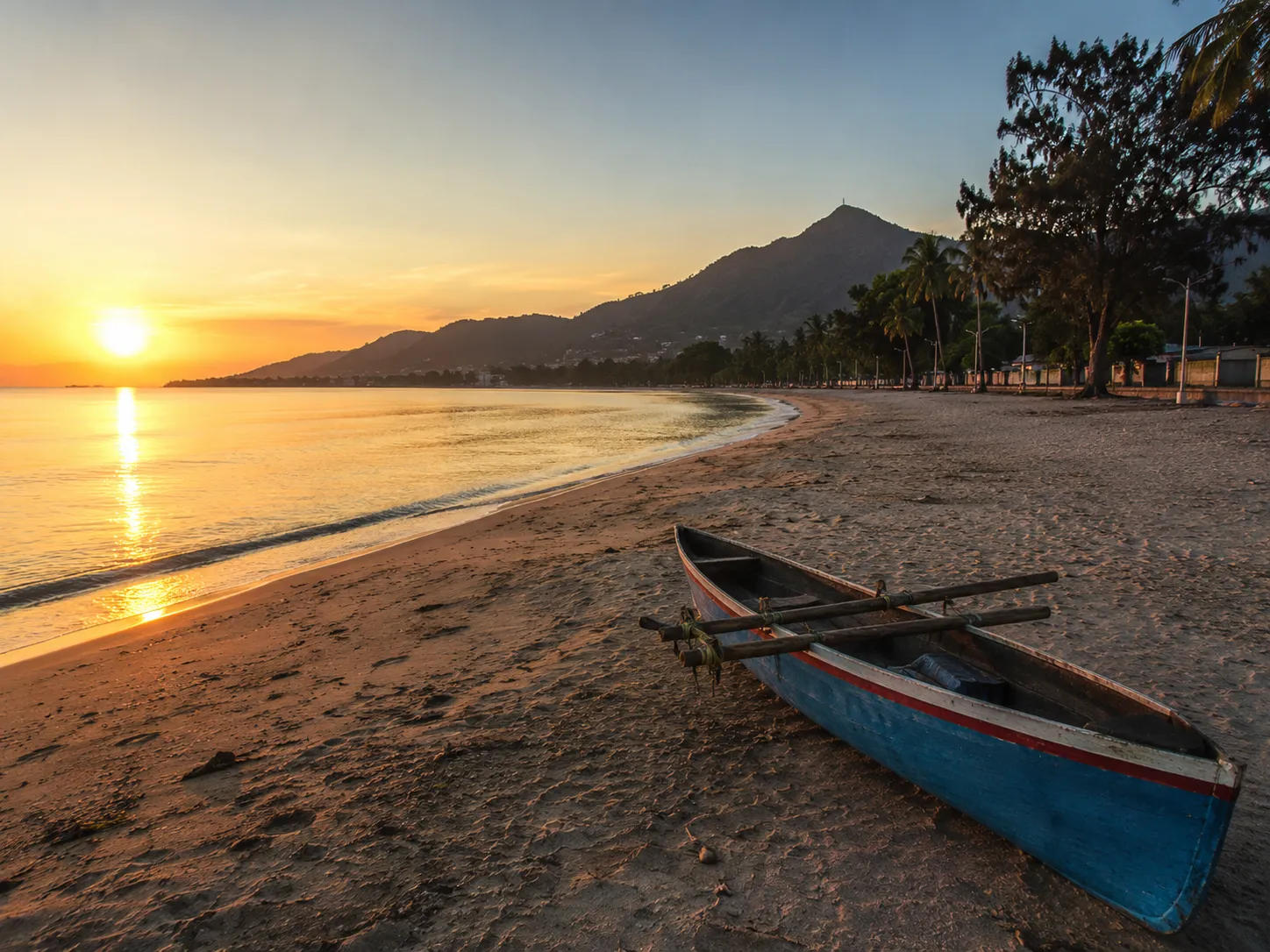
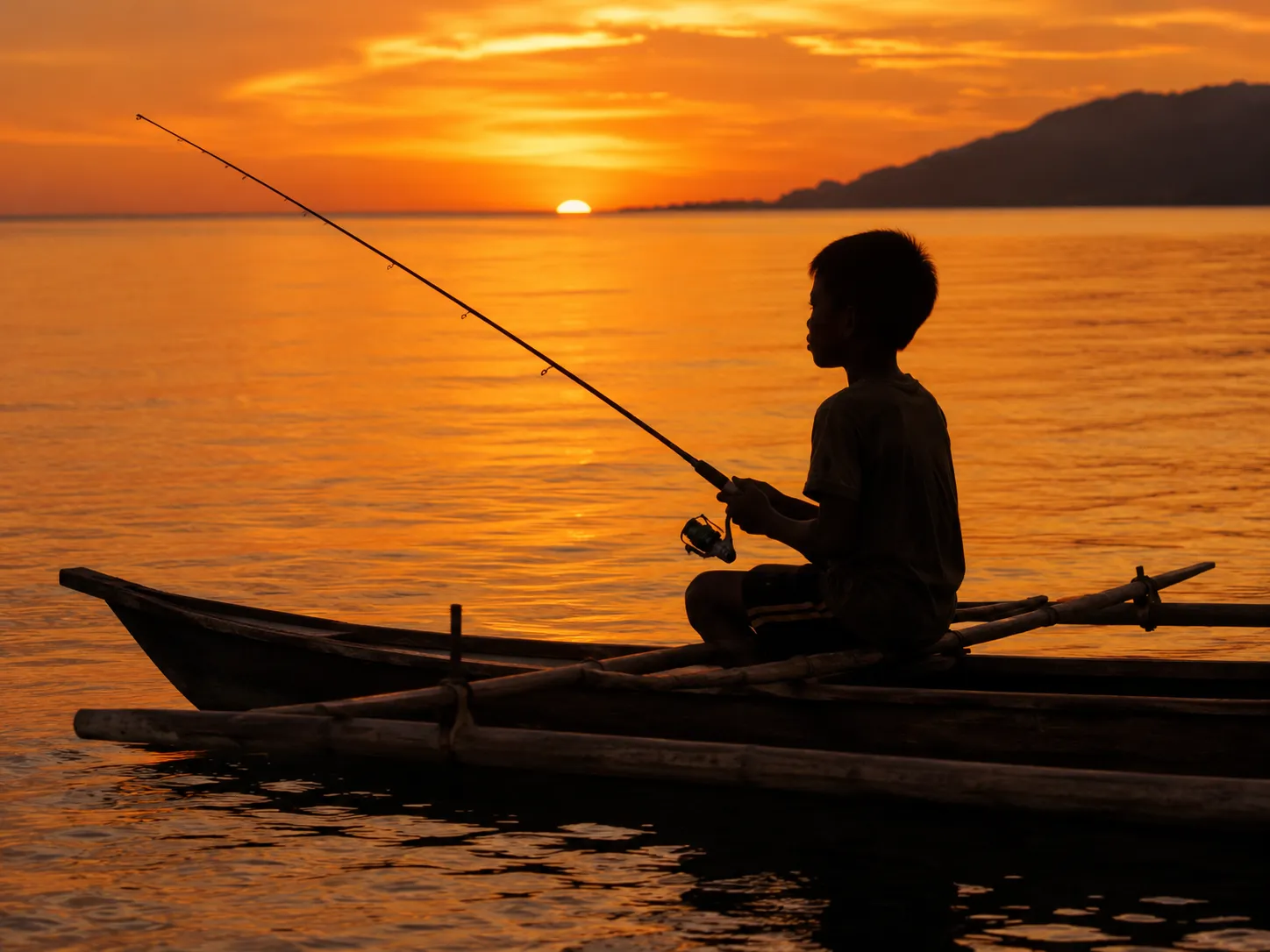
108 km of east-coast beach and an entire south-facing wilderness. No resorts. No tour buses. Often, just you and a fisherman pulling in his net.
- 108 km east-coast beach
- No chain resorts
- Jaco Island sacred
- Reef from shore
Why these beaches are different
- ~700 km Total coastline
- 0 Chain resort hotels
- 27–30 °C Sea year-round
- 1 day End-to-end by road
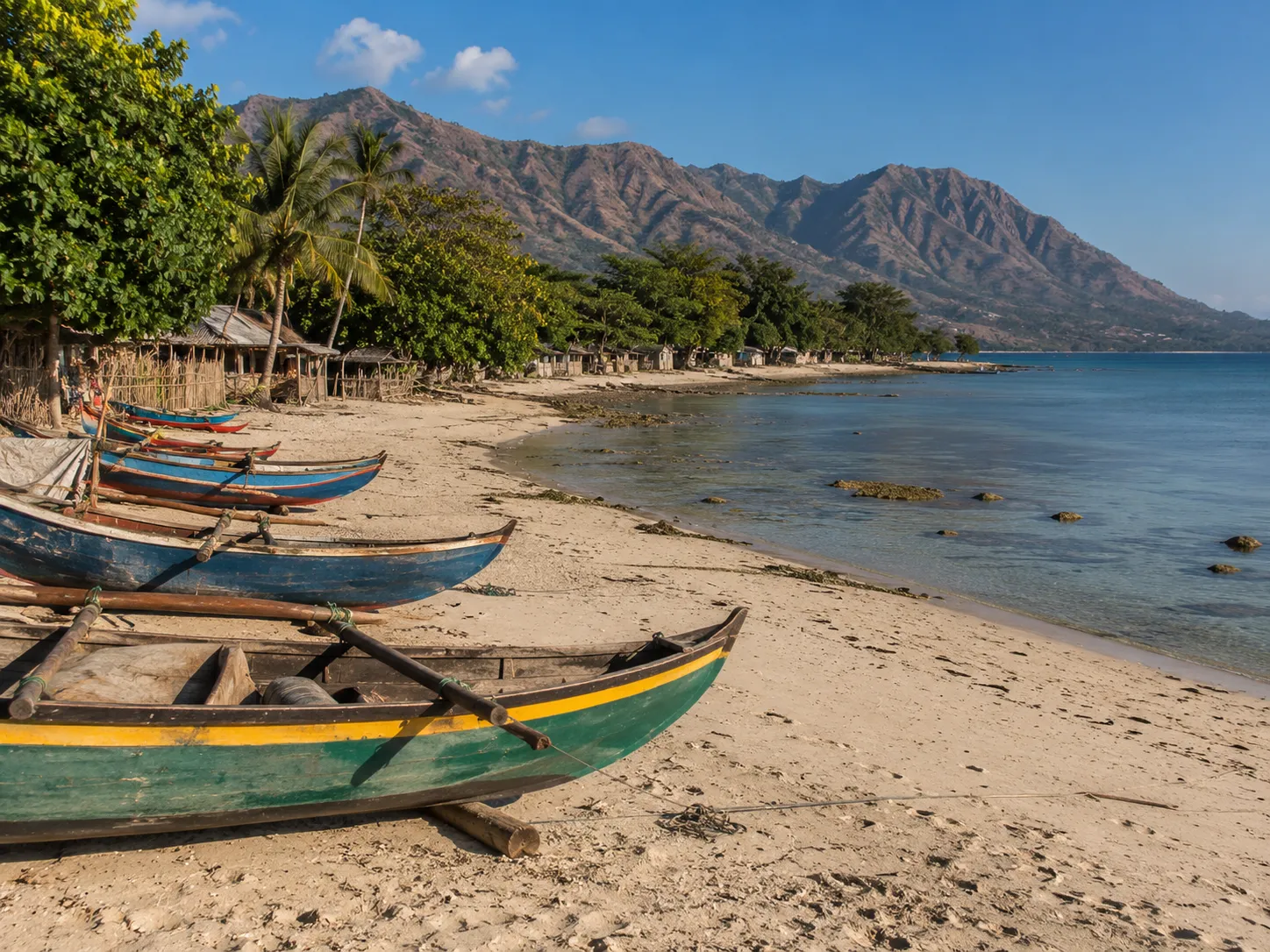
Most beach destinations in Southeast Asia were quietly bought up by resort chains between 1995 and 2015. Timor-Leste was at war or rebuilding through that period, and the developers never came. The result is that Asia's tropical coast is now mostly resort, mostly noise — except for one country with 700 km of coastline, no chain hotels, and the same fishing villages that have been there for generations. The beaches haven't been engineered into anything. They're just the beaches.
North coast
Calm, snorkel-friendly, Dili-accessible.
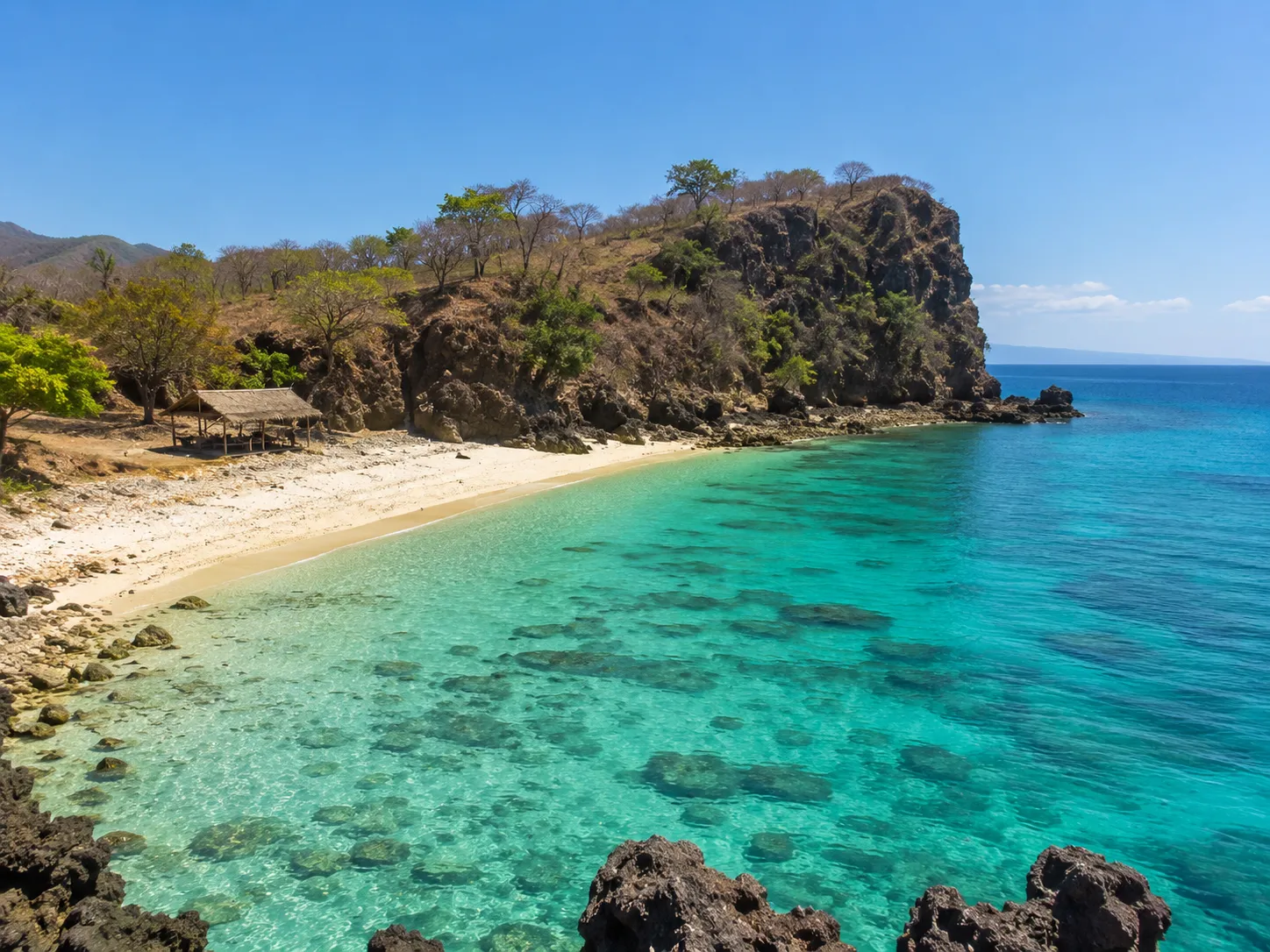
- Atauro Island — reef walls from the sand
- Com fishing villages and curving beaches
- Sealed road most of the way
- Flat morning water for swimming
South coast
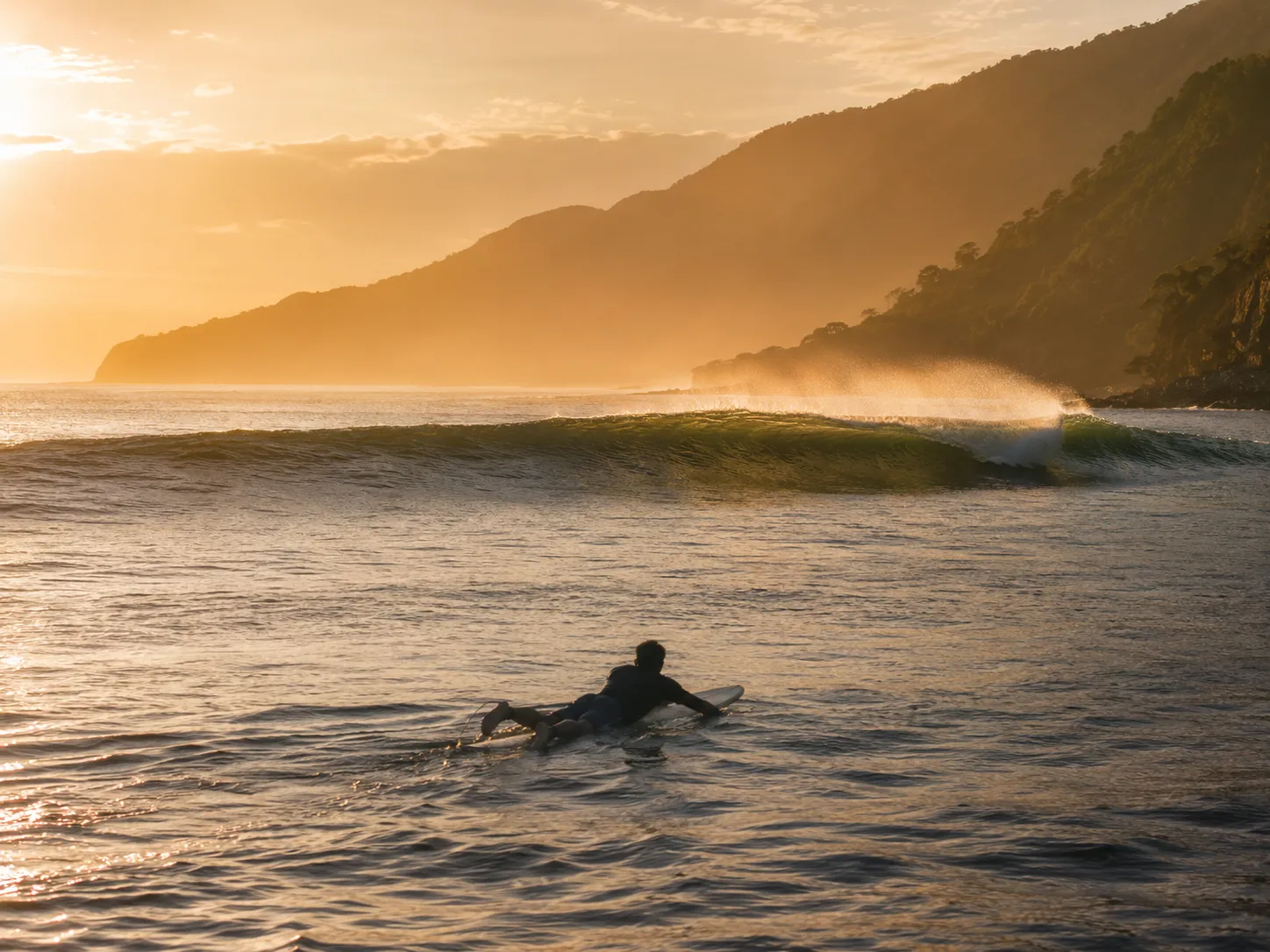
Wild Indian Ocean swell, 4WD needed.
- Surf points at Beaço and Loré
- Empty driftwood beaches for hours
- Unsealed access roads in places
- Dramatic light, fewer swimmers
The six beaches worth a trip on their own
- Jaco Island (Tutuala): The country's postcard. A small uninhabited island off the eastern tip — locals consider it sacred, so no one is allowed to stay overnight. Cross by fisherman boat from Valu Beach (USD 10 return).
- Valu Beach (Tutuala): Where you launch to Jaco. White sand, casuarina shade, basic beachside huts. A 30-minute walk along the coast finds completely empty bays.
- Beloi & Adara (Atauro): Atauro Island's reef-and-beach combo. Shore-entry diving from the sand; eco-lodges along the bay.
- Com: A working fishing village on the north coast with a long curving beach. Famous for the freshest red snapper in the country.
- Liquiçá: Easy day-trip west of Dili. Black volcanic sand, calmer surf, several restaurants on the foreshore.
- Betano (south coast): Wild, exposed, Indian Ocean swells. The far end of any "I want to be alone on a beach" wish. Bring 4WD and your own water.
"I've been back three times now. The thing that keeps pulling me is the silence — you walk a kilometre down the sand at Valu and there is genuinely nobody. In Asia, in 2026, that still exists here." — Returning traveller, Tutuala
Before you go
- Most beaches are public and free. A few are inside community land — give a small contribution (USD 2–5) at the village to be safe.
- There are very few beach restaurants. Bring water, snacks, sunscreen — most of these places have nothing to buy.
- The south coast has strong Indian Ocean swells. Beautiful for walking, not always safe for swimming. Ask locally.
- Reef-safe sunscreen everywhere — corals start in waist-deep water at most north-coast beaches.
- Saltwater crocodiles are present at river mouths along the south coast and in some east-coast estuaries. Stay aware near brackish water.
Best months for beaches
Beach weather is reliably good from late May through October — almost no rain, sea temperature 27–29 °C, gentle north-coast swell, dramatic south-coast swell. The wet season (December–March) brings warm but humid days, brief tropical storms, and softer light for photography.
Find a stay on the coast
Beachfront huts at Valu, eco-lodges on Atauro, fishing-village guesthouses at Com — pick a stretch of coast and we'll show you what's on it.