Plan your trip
What a trip costs
Timor-Leste costs more than neighbouring Indonesia and less than northern Australia. Local food and public transport are cheap; rooms, private vehicles, boats and diving are where the money goes.
- Currency
- US dollar, with local centavo coins
- Local meal
- About US$1–4
- Guesthouse outside Dili
- About US$10–40 a night
- Paying
- Cash almost everywhere
Photos: Ministry of Tourism & Environment, Timor-Leste
The short answer
Prices are in US dollars, and several travellers remark that this keeps them above Indonesian levels. One 2026 guide puts a backpacker’s day at about US$35–60 here, against US$25–35 in Indonesia and US$80–120 in northern Australia.
Cheap: eating where local people eat, microlets, public buses and the public ferry to Ataúro. Expensive: beds, flights into the country and anything that needs a boat, a 4WD or dive gear. Those last three add up quickly and soon decide the size of a budget.
Typical prices
These are prices reported by local guides and travellers, not quotes. Most were collected in late 2026; room rates outside Dili come from 2024–2026 reports. Read every figure as “about” and confirm it before you rely on it.
| What | About |
|---|---|
| Meal at a small local eatery | US$1–4 |
| Dish at a mid-range restaurant in Dili | US$5–15 |
| Water, 1.5 litres | 50 cents to US$1 |
| Coffee in a café | US$1–4 |
| Beer | US$2–3 in a shop, US$3–5 in a restaurant |
| Microlet ride in Dili | 25 cents, fixed |
| Taxi within Dili | US$3–6 |
| Bus from Dili to Baucau | US$5 |
| Public ferry to Ataúro | US$4–5 each way |
| Dorm bed or basic room in Dili | US$10–25 |
| Hotel in Dili | US$50–100 mid-range; around US$200 or more at the top |
| Simple guesthouse outside Dili | US$10–40, usually with breakfast |
| Homestay on Ataúro, with meals | US$15–20 |
| Car with driver, per day | US$120–195 |
| One dive | US$45–60 |
| Tourist visa on arrival | US$30 |
Rough daily budgets
One local guide, updated in October 2026, suggests three levels per person per day:
- Shoestring
- US$25–35: a basic guesthouse, local food, public transport
- Comfortable budget
- US$40–60: a mid-range guesthouse, mixed meals, the odd taxi
- Mid-range
- US$60–100: a good hotel, restaurants, some tours
These are one source’s estimates. Backpackers’ own reports from recent years fall between about US$25 and US$60 a day. No published figure was found for more comfortable trips, so build yours from the big items: the room rate, any car and driver, boat transfers and dives. Daily figures like these do not cover the flight to Dili; price that separately.
Cash and cards
Plan to pay cash for almost everything. Australia’s travel advice says most hotels, shops and restaurants take cash only. Cards work at a few upmarket hotels, some restaurants and the larger supermarkets in Dili, mostly Visa, and terminals are often offline. Outside Dili, assume cash only.
ATMs are concentrated in Dili. Some district towns have a machine, but it is not confirmed which of them accept foreign cards, and there is none on Ataúro. Machines run out of cash, especially at weekends and on holidays, so withdraw in Dili before you leave town. Take a Visa card: reports on Mastercard conflict. Fees and withdrawal limits vary and no official figures were found, so ask your own bank.
Bring US dollar notes that are clean, recent and undamaged, mostly US$5, US$10 and US$20. Torn, marked or old notes are often refused, and US$50 and US$100 notes are hard to spend outside bigger businesses. Change comes in centavo coins, which have no value abroad. The money guide has the detail.
Tipping and bargaining
Tipping is not a local custom, and restaurants do not add a service charge. In tourism a tip is appreciated, not expected: guides to the country suggest rounding up or leaving 5–10% for good service in a mid-range restaurant, and a few dollars a day as a thank-you for a guide or driver. Bear in mind that 10% is a lot of money locally.
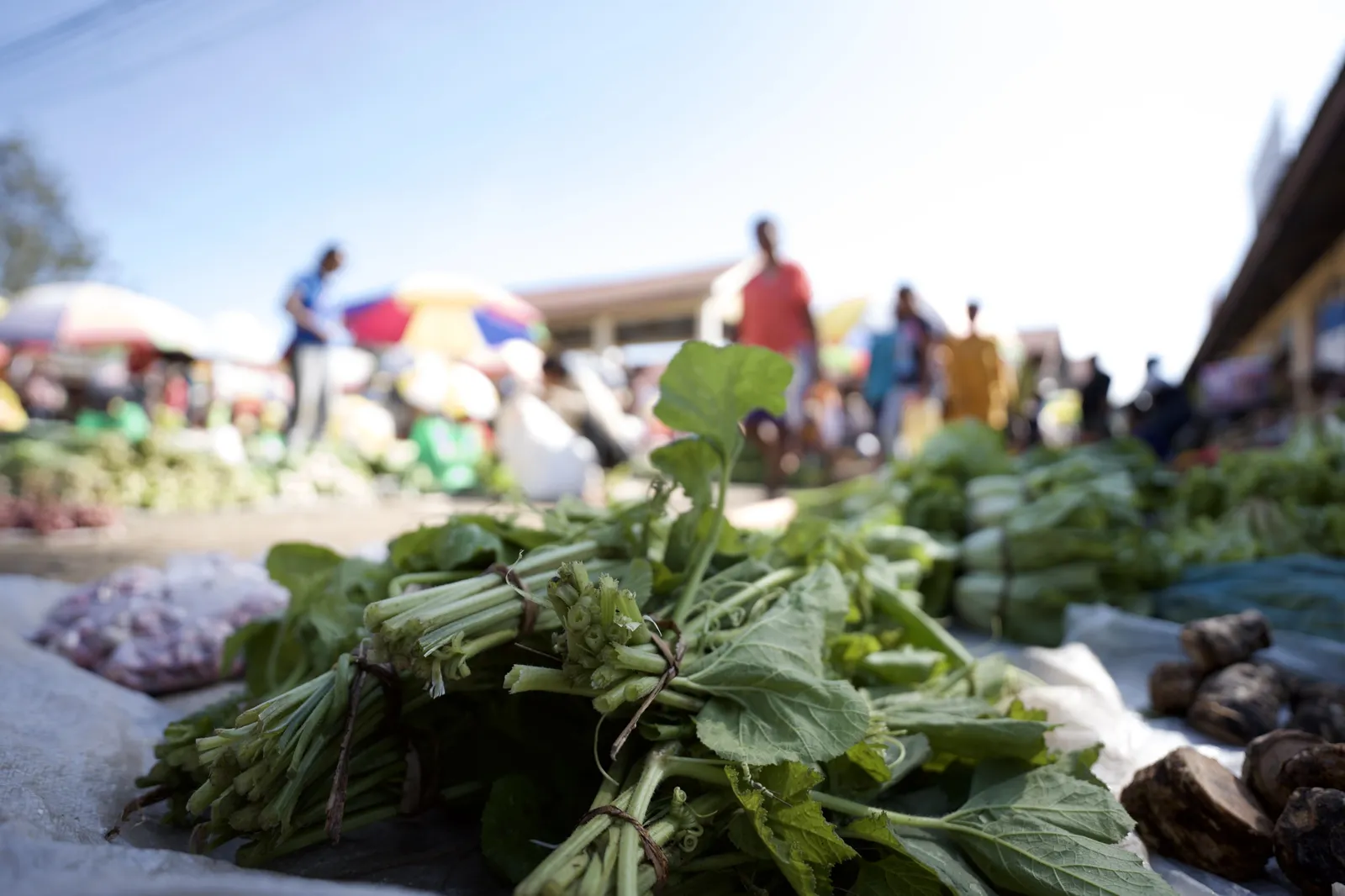
Agree the fare with an unmetered taxi before you get in. Microlet fares are fixed at 25 cents, whatever a driver may ask a visitor. At craft markets visitors are often quoted a higher price and a little friendly bargaining seems to be normal; keep it brief, because a handwoven tais can take months to make. Produce at food markets is sold in small piles at a set price per pile.
Last checked November 2026 — Sources: Banco Central de Timor-Leste: banknotes in circulation · BNU Timor: ATM list · Australian Government Smartraveller · UK foreign travel advice: Timor-Leste · Official tourism site: ferries. Rules, fares and schedules change — confirm anything important before you travel.