Destinations
Dili
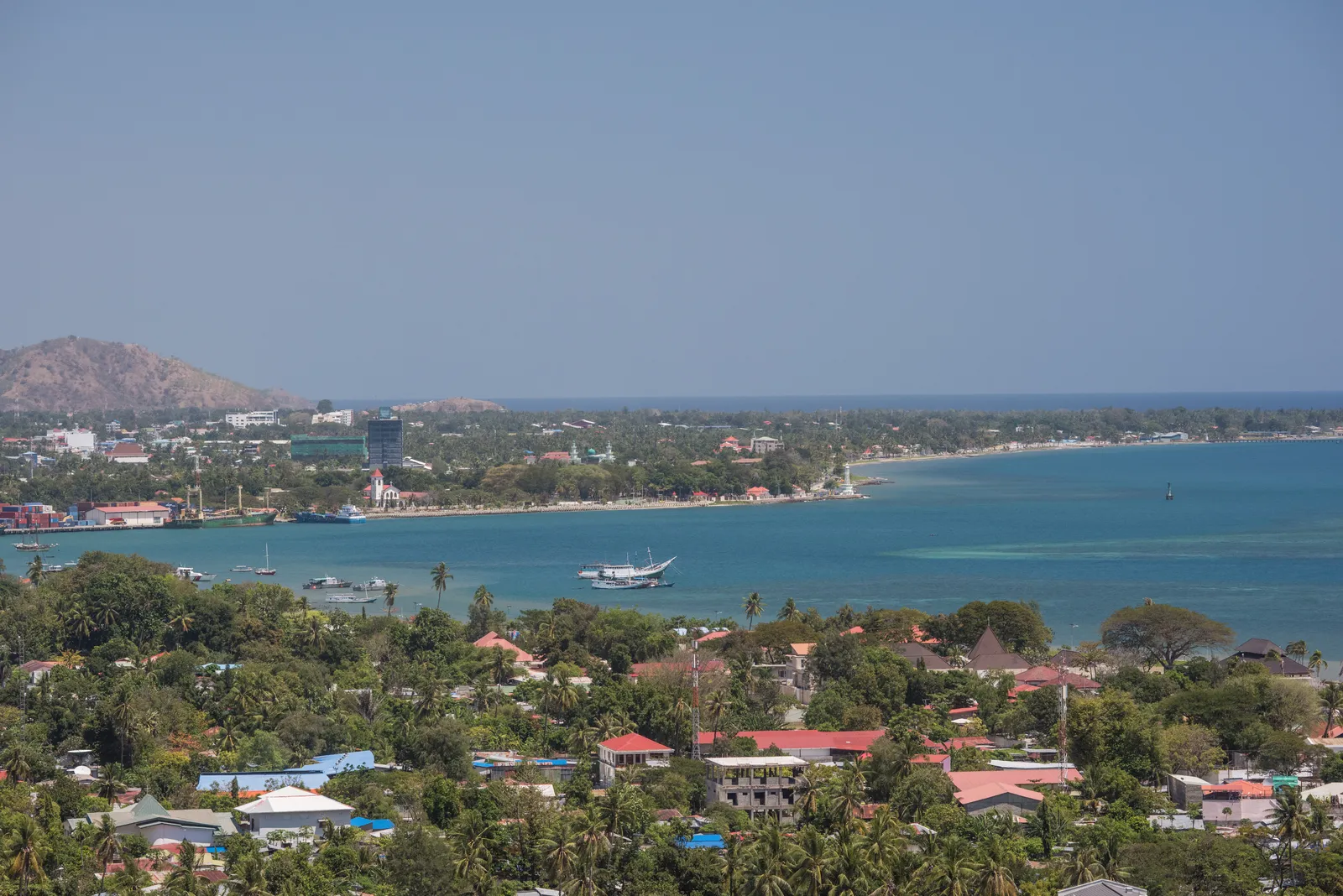
Dili is a low-rise city on a bay with steep hills behind it. Give it two or three days for history, markets and beaches, and use it as your base for ferries, buses and day trips in all directions.
Photos: Ministry of Tourism & Environment, Timor-Leste
Why go
Nearly every journey in Timor-Leste begins and finishes in Dili, and the city deserves two or three days of its own. It occupies a narrow strip of flat land facing Ataúro, backed by hills that turn green with the rains and brown in the dry months. The centre is easygoing and walkable.
Begin with history. Three places explain the years of occupation: the Chega! exhibition inside the old Balide prison, the Timorese Resistance Archive and Museum, and the cemetery of Santa Cruz. Then climb the steps to Cristo Rei, swim at Areia Branca, look through the Tais Market and stroll along the waterfront.
Reefs and muck-diving sites lie minutes from the centre. Dolphins swim in the strait all year, and whales pass in season. Dili also has the country’s only wide choice of cafés and restaurants. Day trips run west to Liquiçá, south to Aileu and Ermera and east along the Manatuto coast, and the ferry leaves for Ataúro.
Getting there and around
From the airport it is about 6 km east to the centre. Taxi drivers waiting there ask US$15 or more. Some hotels will pick you up, so ask when you book. See getting to Timor-Leste.
By day, numbered microlet minibuses follow 13 set routes from about 06:00 to 18:00 and charge 25 cents whatever the distance. Flag one down anywhere on its route; to stop, tap a coin on the metal rail. Yellow taxis carry no meter: settle the price first, about US$3–6 for a daytime trip. Blue taxis use a meter and work around the clock for roughly double the price. After dark take a blue taxi, or book a ride.
Three terminals serve the rest of the country. Buses keep no timetable: they set off once full, and most go very early.
| Terminal | Side of town | Buses for |
|---|---|---|
| Becora | East | Manatuto, Baucau, Viqueque, Lospalos |
| Taibessi | South | Aileu, Maubisse, Ainaro, Same, Suai |
| Tasi Tolu | West | Liquiçá, Gleno, Balibo, Maliana and the border |
Ferries for Ataúro and Oecusse leave from two separate points, Porto Dili (at Farol) or Kolmera, depending on the ship. See ferries, buses and shared transport and car rental.
Good to know
- Swimming. For a sheltered, shallow swim, the city beach is Areia Branca. Government travel advice mentions crocodiles seen now and then on Dili’s beaches and waterways, so ask first if a spot is new to you; see the crocodile guidance.
- After dark. Streets are poorly lit, and travel advisories warn against walking alone at night or going to isolated beaches. Use transport arranged by your hotel or a metered taxi booked by phone; see the safety page.
- Museums. Sources disagree about hours and fees. The Resistance Museum is reported open from Tuesday to Saturday, and the Chega! exhibition on weekdays with a midday break. Check before you set out.
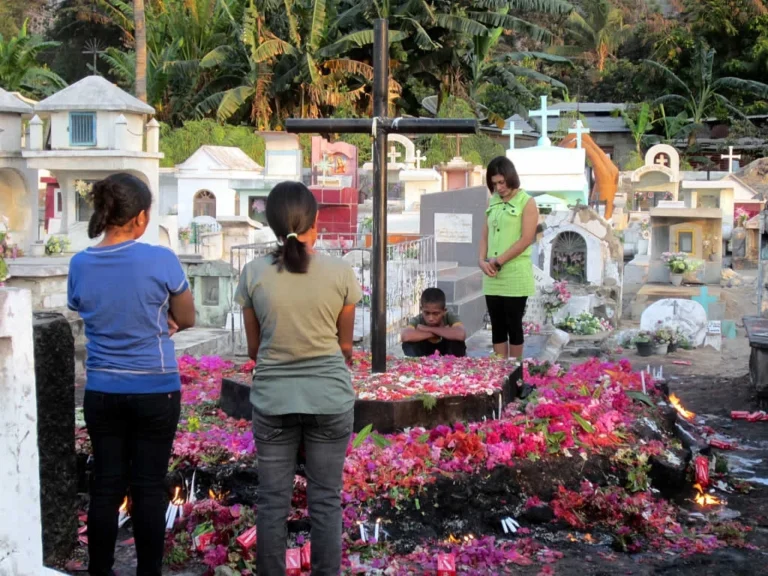
- Respect. People pray at Cristo Rei, and burials still take place at Santa Cruz. Dress modestly and speak quietly at both; see sacred places etiquette.
- Money and SIM cards. Only in Dili can you count on the ATMs. Take out the cash you need for the rest of the country and buy a SIM card here; see money and internet and SIM cards.
- Traffic. On weekdays traffic is heaviest from 08:00 to 10:00, around midday (12:00–14:00) and from 17:00 to 19:00.
- Events. In 2026 Tasifest, a music and cultural festival, was held at Tasi Tolu in late May, the Dili International Marathon in August and the Dili International Film Festival from late September. National days are 20 May, 30 August, 12 November and 28 November; see what’s on.
What to see and do
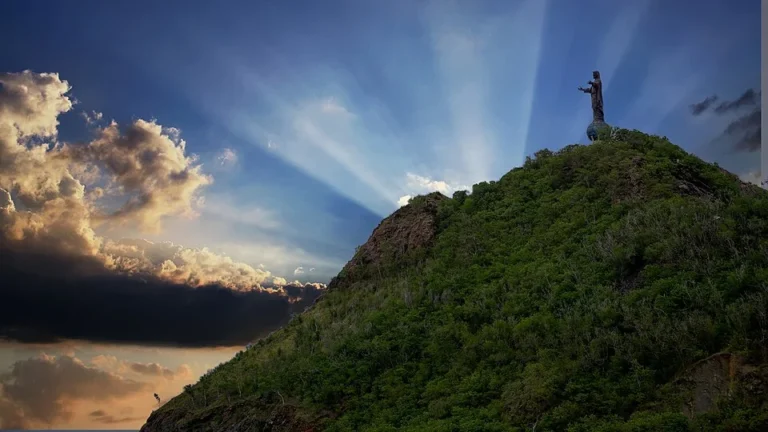
- Cristo ReiChrist stands on a globe, 27 m high, where Cape Fatucama ends, roughly 7 km east of the centre. The statue dates from 1996. More than 500 steps lead up to it past the 14 Stations of the Cross; climb at dawn or late in the afternoon, when it is cooler. Microlet 12 serves this side of town.
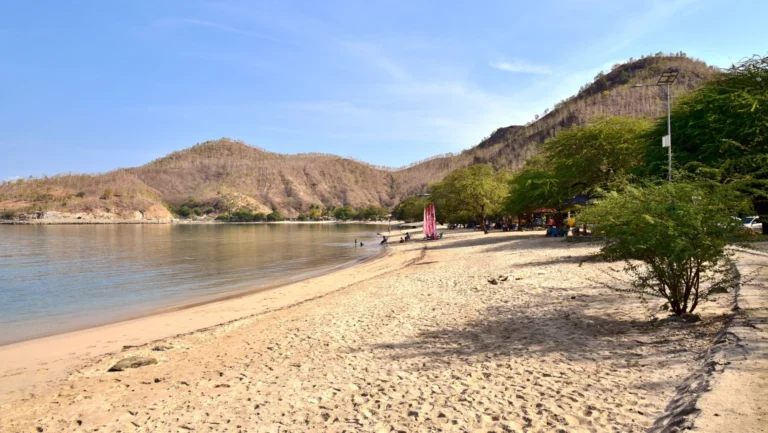
- Areia Branca and Dolok OanCafés line Areia Branca, the sheltered city beach. Round the cape lies Dolok Oan, nicknamed “Back Beach”: nearly a kilometre of white sand with bigger waves and nothing in the way of facilities.
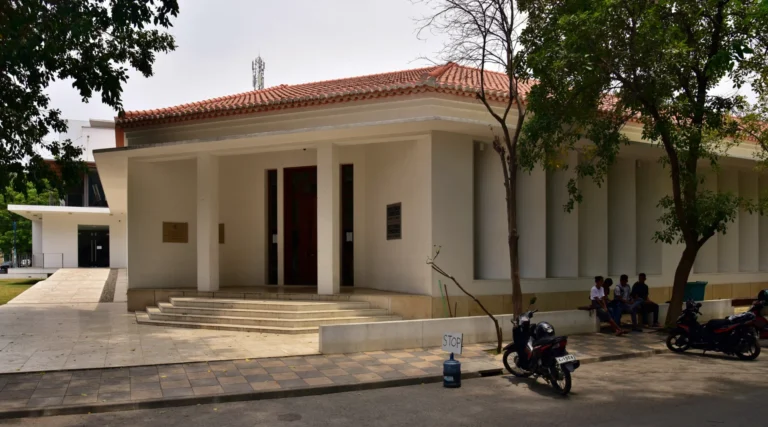
- Timorese Resistance Archive and MuseumThe exhibition covers both the armed and the clandestine resistance, with labels in Tetun, Portuguese and English. It has occupied the restored court building from the Portuguese period since 2005. Give it about two hours. Photography is not permitted inside.
- Centro Nacional Chega!The former Balide prison is now a memorial and an exhibition on human rights, and its cells are open to visitors. In June 2026 an archives centre was added to the site.
- Santa Cruz cemeteryOn 12 November 1991 Indonesian soldiers opened fire here on unarmed mourners. The anniversary is National Youth Day. The cemetery is still in use, and entry is free.
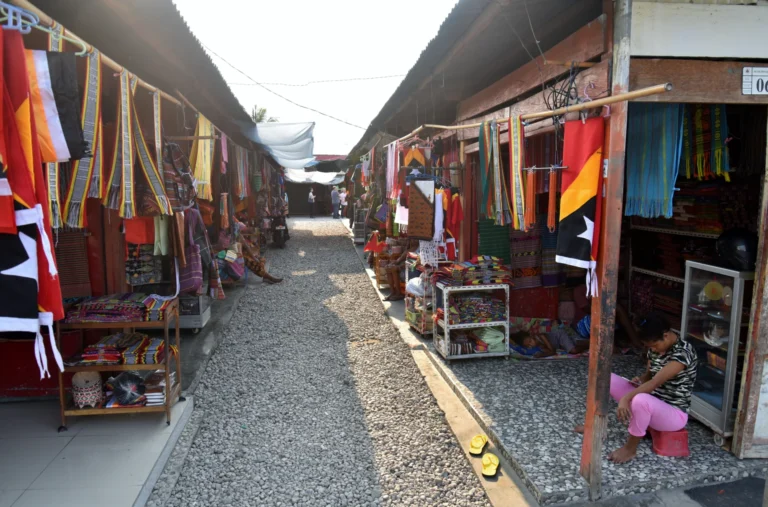
- Tais MarketDozens of stalls sell handwoven tais brought from all parts of the country, as well as carvings and silver jewellery. Nothing has a fixed price, so expect to bargain a little.
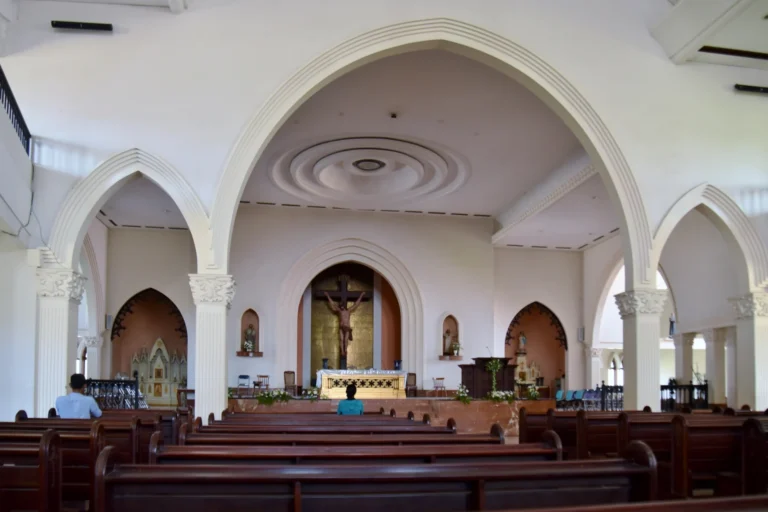
- Motael church and the waterfrontThis church by the beach is described as one of the oldest in the country. The waterfront walk continues from it, passing the Government Palace on the way to the gardens at Largo de Lecidere.
- Tasi ToluOn the city’s western edge: a trio of shallow lakes beside a wide esplanade. In 2024 more than 600,000 people gathered here to hear Pope Francis. On the hill above, a statue recalls the 1989 visit of Pope John Paul II. Birdwatchers know the lakes, and an easy 5 km path circles them. Take microlet 10.
- Dare memorialIn the hills, a drive of about half an hour from the centre. Australian veterans opened the memorial in 1969 to honour Timorese who aided their commandos during the Second World War. A café looks out over the city; the official listing describes the displays in the little museum as faded.
- Arte MorisAn art school that charges no fees and a collective of artists, now housed in the control tower of the old airport. You can look at the work and buy it.
Last checked November 2026 — Sources: Official tourism site — Dili guide · Official tourism site — Cristo Rei guide · Official tourism site — Dili microlet routes · Official tourism site — Events. Rules, fares and schedules change — confirm anything important before you travel.