Destinations
Ataúro
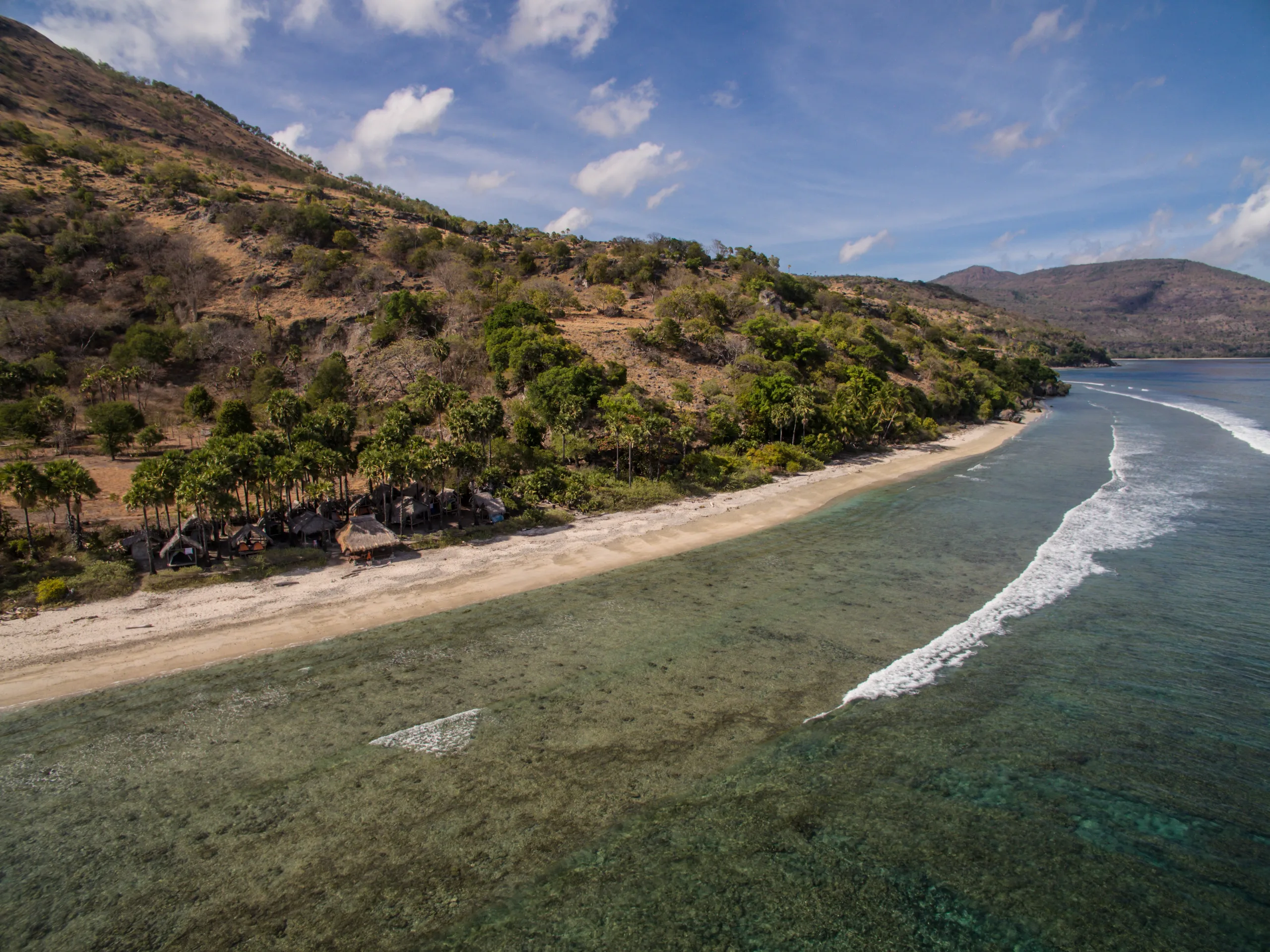
No reef destination in Timor-Leste is better known than Ataúro, and it is an easy place to slow down. A ferry sails from Dili daily except Monday. Plan on two or three nights, and travel back the day before your flight.
Photos: Ministry of Tourism & Environment, Timor-Leste
Why go
People come for the reef. Conservation International surveyed ten sites around the island in 2016 and counted, on average, 253 species of reef fish at each one. No higher average has been published for any place. Off Beloi the coral starts a few metres from the sand, so you can snorkel straight from the beach; a boat takes you to the steep walls on the west side.
Ataúro is about 22 km long and mountainous. Its roughly 10,000 residents are spread over five villages, most roads are dirt, and nothing moves fast. The island belonged to Dili municipality until 1 January 2022 and now forms a municipality by itself.
Ashore you can walk between villages, visit the craft cooperatives of Vila Maumeta or tackle the tough climb up Mount Manucoco. The official tourism site also lists Ataúro as a place to watch whales and dolphins from shore.
Getting there and around
There are two public ferries between Dili and Beloi. Each sails from Dili at 08:00 and starts back from the island at 15:00; neither runs on Monday. These details match the port board on 30 August 2026.
| Ship | Leaves from | Days | Fare and crossing |
|---|---|---|---|
| Berlin Nakroma | Porto Dili (Farol) | Wednesday, Thursday, Saturday, Sunday | about US$4 one way; about 2 hours 15 minutes |
| Success | Kolmera | Tuesday, Friday | about US$5 one way; about 3 hours |
The port office sells tickets on the day itself, for cash, and takes no bookings online. Bring photo ID, come an hour or more ahead, and check the day before that the ship is sailing. Dragon Star, the fast ferry, has not run since late 2025. See the ferries page.
Some lodges and dive operators run fast boats: about US$70–75 a seat in each direction, and 1–1.5 hours. Arrange one where you are staying, or look at boat charter. Mission Aviation Fellowship (MAF) flies a light aircraft across in about 20 minutes; its schedule from July 2025 shows Monday, Wednesday and Friday flights, which go only if half the seats or more are taken. See domestic flights.
Between villages you ride shared tuk-tuks, about US$2 from Beloi to Vila Maumeta. For the west coast, a boat is the sensible choice.
Good to know
- When to go. Seas are calmest in the dry season and in the mornings; trade winds blow hardest between May and September. Hikers should choose June or July. Whales come in October–December: with so few rooms on the island, book early for those months. Between December and April a sailing is sometimes cancelled.
- Cash. Ataúro has no ATM. Carry enough US dollars for the whole visit, in small notes.
- Food and rooms. Meals come with nearly every room, because the island has few other places to eat. A simple village homestay costs about US$15–20, food included.
- Crocodiles. On the official tourism site, Ataúro is the one exception to the warning about crocodiles on the country’s coasts. Still ask your hosts about currents; see sea and tides.
- Reefs and rubbish. Island communities look after their reefs through tara bandu, their customary law, and charge about US$2 a head to snorkel or dive in a reserve. Leave the coral alone, take nothing, and carry your rubbish back to Dili.
- Phone and health. In October 2026 a traveller found Telemor coverage near Beloi and none on the west coast. No reliable account of medical care on Ataúro has been published, so assume that help means a boat trip to Dili.
- Events. In 2026 the official calendar listed a diving festival at Beloi in June and, in July, celebrations of the betel-nut harvest; see what’s on.
What to see and do
- BeloiFerries dock here, and most places to stay are close by. Saturday is market day. Just south of the wharf, coral begins a few metres out from the beach.
- Vila MaumetaThe island’s main village. The Biojoia workshop makes jewellery here, and a walk of about 1.5 hours, there and back, leads to the Lady Mary cave and statue.
- Boneca de AtaúroSince 2006 the women of this sewing cooperative in Vila Maumeta have made dolls, bags and toys decorated with embroidery. The workshop welcomes visitors.
- MakiliWood carvers have made this village, south of Vila Maumeta, well known. St Peter’s statue stands at the water’s edge.
- AdaraA village on the west coast, where the reef drops away steeply and the sun sets over the sea. A boat will take you there. So will the road, open since mid-2025, in about 45 minutes, or a walk of 3–4 hours from Beloi.
- Akrema beachWhite sand past the villages of Bikeli and Uaroana. Campers pay a small fee. Look up the tide before you go, because at low water the sea here is very shallow.
- AtecruA beach on the west coast with a reef you can snorkel from the shore. Close by, the Singing Rock and the cave of Aleti-Tunu Bibi each charge about US$2.50.
- Mount ManucocoThe top of the island, a little below 1,000 m. Allow 5–7 hard hours for the return climb, and take a guide.
- Hot spring near BikeliA spring of about 40 °C on the shore between Bikeli and Uaroana, covered by the sea at high tide. Better for a look than a soak.
- Community marine reservesStretches of reef under the care of island communities. Entry costs about US$2 each, and the money stays with the villages.
Last checked November 2026 — Sources: Official tourism site — Ataúro Island guide · Official tourism site — Ferries to Ataúro and Oecusse · Official tourism site — Diving and snorkelling · Mission Aviation Fellowship — scheduled services. Rules, fares and schedules change — confirm anything important before you travel.
On the map