Destinations
Liquiçá
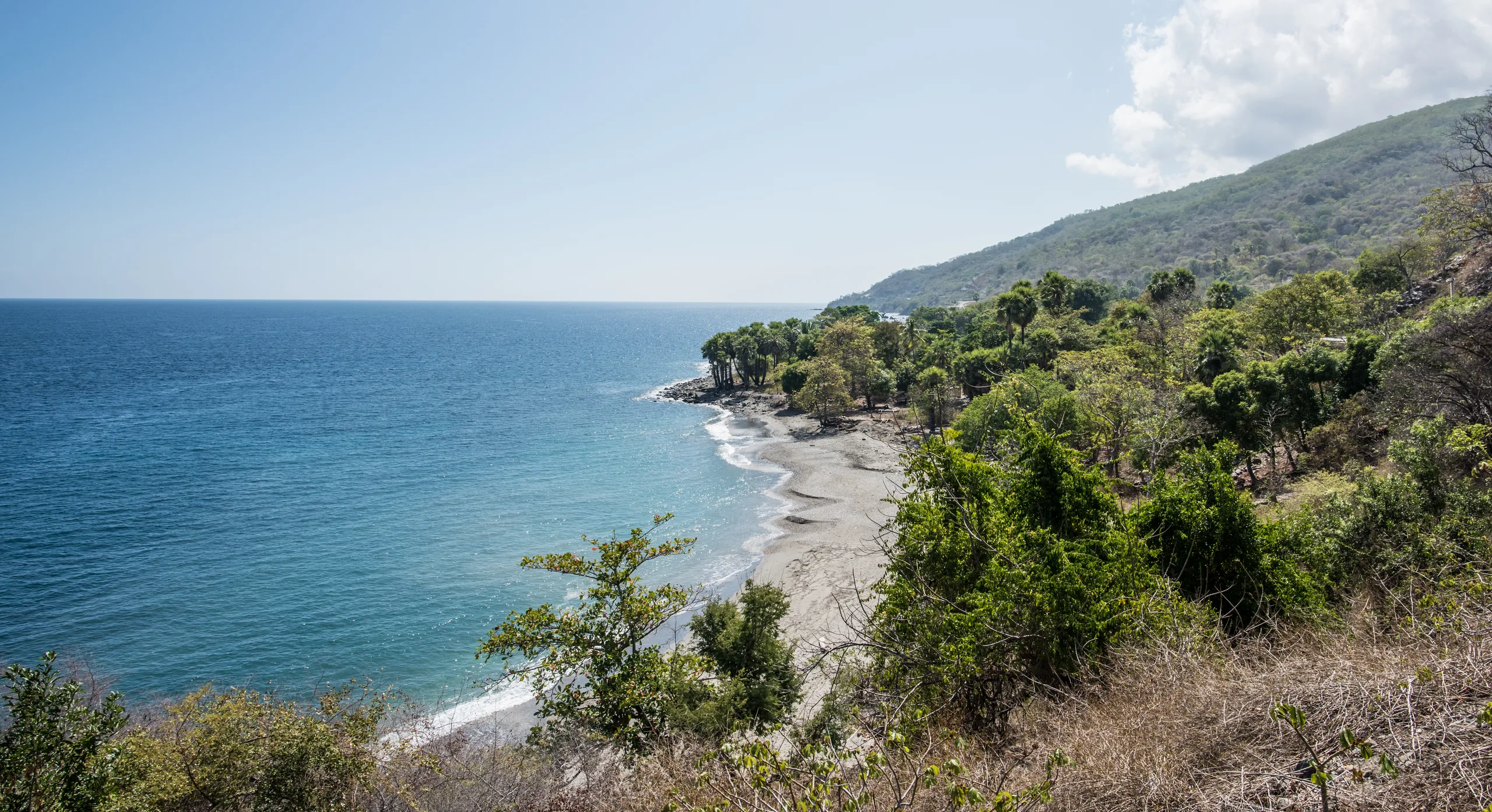
Liquiçá starts at the western edge of Dili. Its sealed coast road runs past headlands and coves to a ruined colonial prison, a town marked by the violence of 1999 and the Dutch fort at Maubara, all within about 50 km of the capital.
Photos: Ministry of Tourism & Environment, Timor-Leste
Why go
No day trip from Dili is simpler. If you have your own wheels, one day is enough for the prison ruins at Aipelo, the town of Liquiçá and Maubara’s fort and lake; the driving adds up to about 2.5 hours. From the road you look over the Savu Sea to Alor, an Indonesian island, while coffee is grown on the hills behind.
Several periods of history meet along this coast. The Dutch held Maubara until they traded it to Portugal in the mid-19th century, and cannons still stand at the fort they built. Aipelo’s prison dates from 1889, under the Portuguese. And the church in Liquiçá town was the scene of the killings of 6 April 1999, in which up to about 200 people died.
Beaches and shore-diving sites fill the gaps between these stops. At Maubara, women sell the woven baskets for which the area is known. For a quiet beach, stay overnight.
Getting there and around
From Dili it is about 32 km to Liquiçá town, a drive of less than an hour, and about 50 km to Maubara. The coast road is well kept; ordinary cars and scooters manage it without trouble. Turn inland, though, and you need a 4WD or a motorbike.
Buses for Liquiçá start at Tasi Tolu terminal in Dili. Same-day return buses are scarce, and no trustworthy fare has been published, so ask before you board; see buses and shared transport. A hire car, a scooter or a driver and guide lets you choose your own stops on a day trip.
Good to know
- Swimming. According to one guide, the beaches at Ulmera, Ai Pelo, Liquiçá and Maubara have no crocodiles. Australia’s travel advice, however, names Liquiçá among the north-coast places where they have been sighted, and Lake Maubara sees one from time to time. Ask people on the spot that day, and read the crocodile guidance.
- Maubara fort. Its date is disputed: 17th century according to the official tourism site, about 1756 according to other sources. No source mentions an entry charge here or at Aipelo prison.
- Liquiçá church. People still mourn the killings of 1999 here. Come modestly dressed and keep quiet.
- Diving. Few dive sites are signposted and currents run strong in places, so dive with an operator. The shore entry at Bubble Beach is reported to be fenced off.
- Stays. Of the 12 places to stay in the official directory, some are beside the beach. Maubara’s pousada was under restoration and still closed in 2024–2025.
- Cash. BNU, one of the banks, shows a cash machine in Liquiçá on its list. Dili’s machines are more dependable and not far away, so use those.
- Whales and dolphins. During the migration season they travel past this coast. Early morning and dusk are the times to look for dolphins from the shore; see whales of Timor.
What to see and do
- Aipelo prisonA Portuguese prison by the sea, now in ruins. It went up in 1889, grew in 1914 and held prisoners until 1939; the 2012 restoration added information panels.
- Liquiçá townThe church of São João de Brito and administration buildings left from colonial times. On 6 April 1999 the town was the scene of the church massacre.
- Maubara fortBuilt by the Dutch and shaded by large banyan trees, with its old cannons. Inside are a small café and a shop for souvenirs.
- Maubara Weaving CooperativeWomen weavers run these stalls on the seafront, facing the fort. They sell basketry, cloth and other things they have woven.
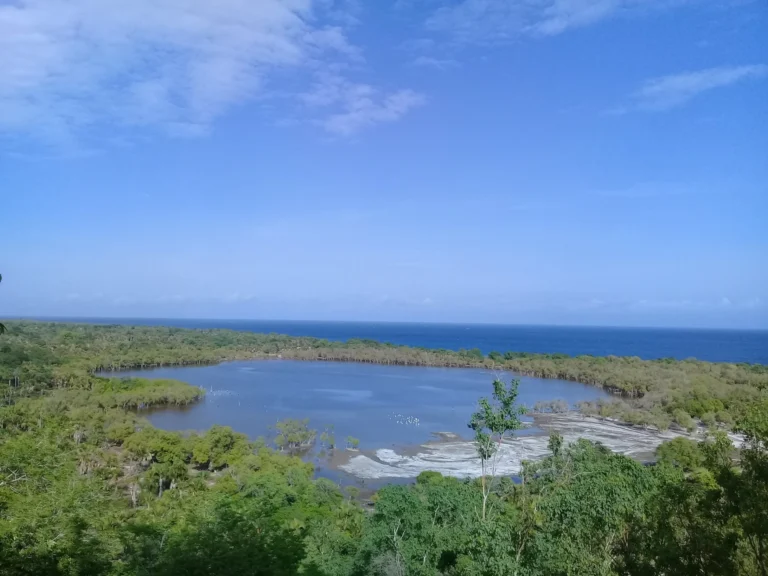
- Lake MaubaraPelicans and other waterbirds gather on this little lake by the coast, which spreads to as much as 8 hectares in the wet season. A crocodile is seen now and then; do not go near the water’s edge.
- Maubara beachThe beach next to the fort is stony. Sand is easier to find about 1.5 km back in the direction of Dili. Check with local people before swimming.
- Liquiçá coast dive sitesDives from the shore at several points on the coast road. Two of them lie in front of Maubara’s church and fort.
- Tibar mangrovesMangroves near Tibar that are looked after as a visitor site. A guide reports a charge of about US$1 per adult and daily opening from 09:00 to 19:00.
- Bamboo Institute Timor-LesteTibar is home to the national centre for bamboo, where young people learn to design and build with it. Furniture and homewares are on show.
- BazarteteUp in the hills, 30–40 minutes from the coast: a village with a church, a shrine and a waterfall.
Last checked November 2026 — Sources: Official tourism site — Maubara and Liquiçá guide · Official tourism site — Liquiçá municipality page · Official tourism site — Diving and snorkelling. Rules, fares and schedules change — confirm anything important before you travel.
On the map